
STUDIO MOOKIE: Adult Weaving Night Classes, Kids Afternoon Sculpting & Weaving Classes
Location
5907 California St. @ 21st Ave. SF, CA 94121,
Hours of Adult Weaving Classes, ages 18 and up
Monday Nights, between 7-9 pm for adults (ages 18 to 118)
Friday Nights, 7-9 pm for adults (ages 18 to 118)
Saturday Night 7-9 pm for adults (ages 18 to 118)
Hours of Kids’ Sculpting & Weaving Class
Monday Afternoon between 2:30-6 pm for kids (ages 8 to 18)
Join Instructor Mookie Margolis in our adult beginning intermediate and advanced weaving classes or our kids afternoon sculpting and Weaving Classes. Mookie Margolis graduated with a BFA in Textiles, Sculpture & Painting from California College of the Arts 2026. Mookie is a working artist, has shown artwork in group gallery shows from 2022 to present and has fourteen years art teaching experience.
MOOKIE’S WEBSITE: To see Mookie’s artwork, click on this link mookiemargolis.com
Below: Mookie Margolis teaching weaving to a beginning student (Spring 2026)
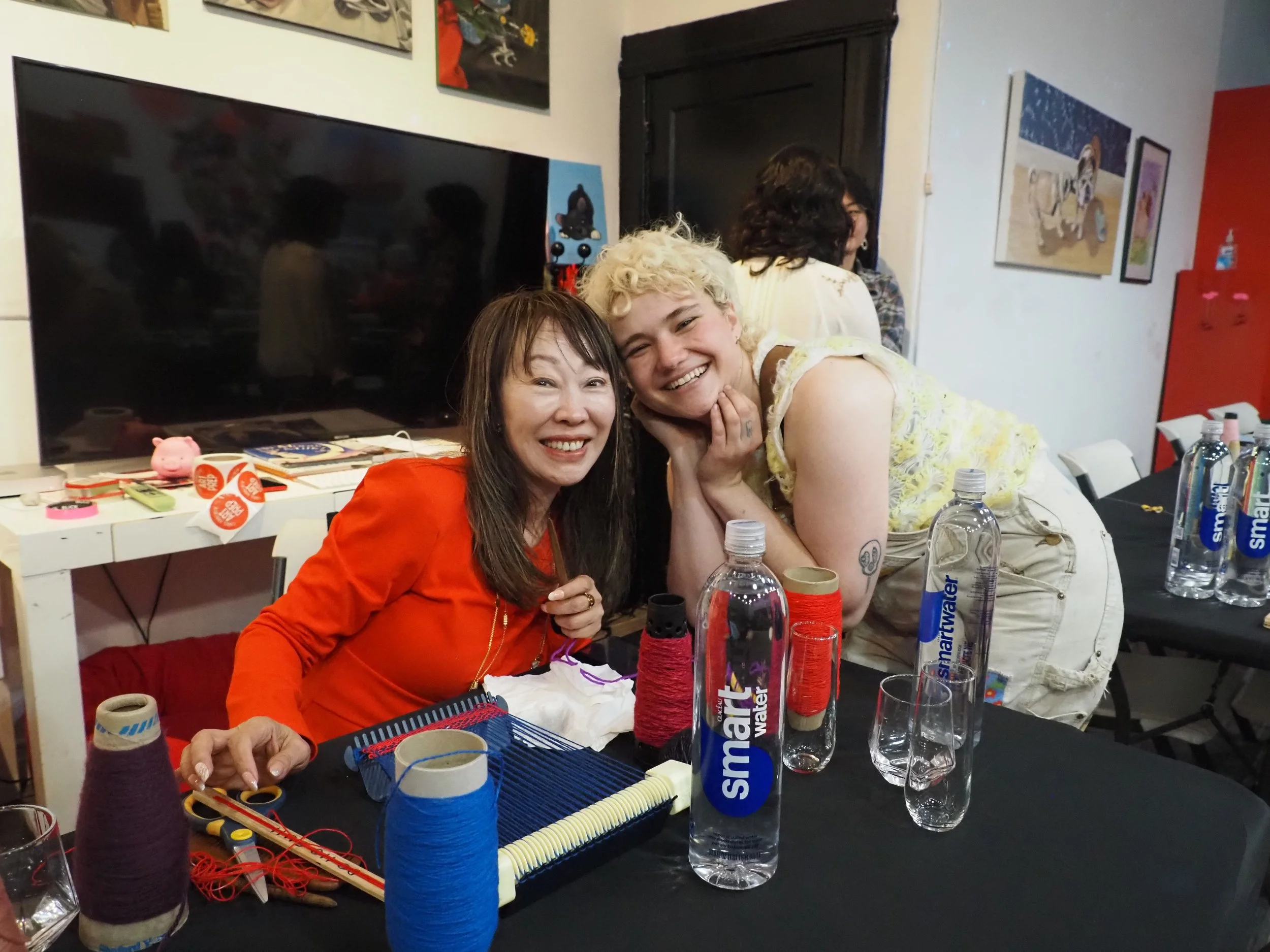
Mookie Margolis Teaching Weaving to Beginning Students
Beginning weaving classes with Instructor Mookie Margolis, BFA in Textiles, Sculpture and Painting at California College of the Arts 2026, working artist, artwork shown in group gallery shows from 2022 to present, fourteen years art teaching experience.
Same as the Adult Weaving Classes or Kids Afternoon Classes. Just as a cost saving subscription option.
Beginning Adult Weaving Night Classes, or Kids Afternoon Sculpting and Weaving Classes with Instructor Mookie Margolis, BFA in Textiles, Sculpture & Painting at California College of the Arts 2026, working artist, artwork shown in group gallery shows from 2022 to present, fourteen years art teaching experience.
Instructor
Weaving and Sculpting with Instructor Mookie Margolis, BA in Textiles, Sculpture and Painting at California College of the Arts 2026, working artist, artwork shown in group gallery shows from 2022 to present, fourteen years art teaching experience.
For Weaving Projects
No advance preparation or supplies are needed.
Students will design their weaving project in the studio during their first class, after the instructor assesses their skill level.
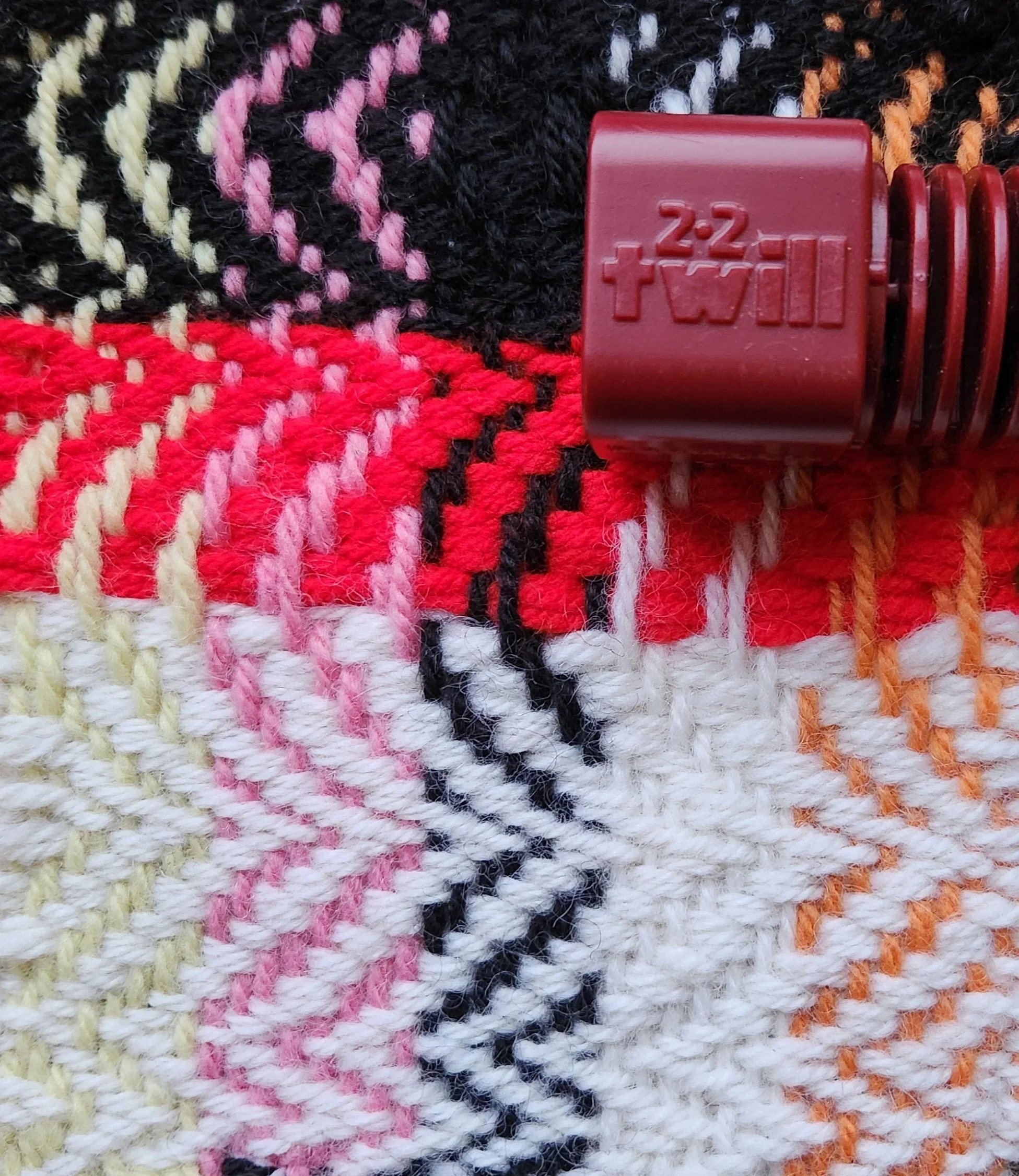
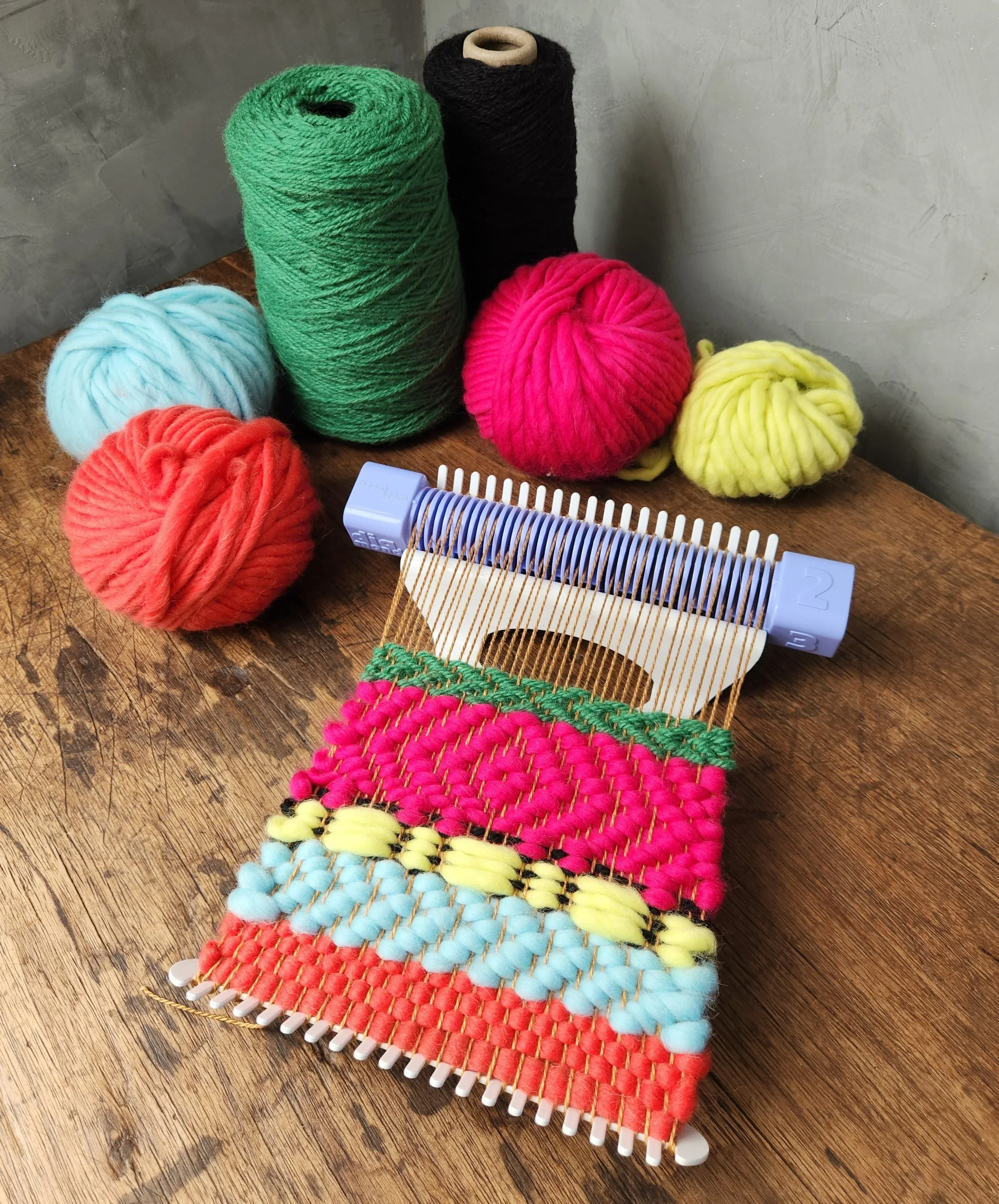
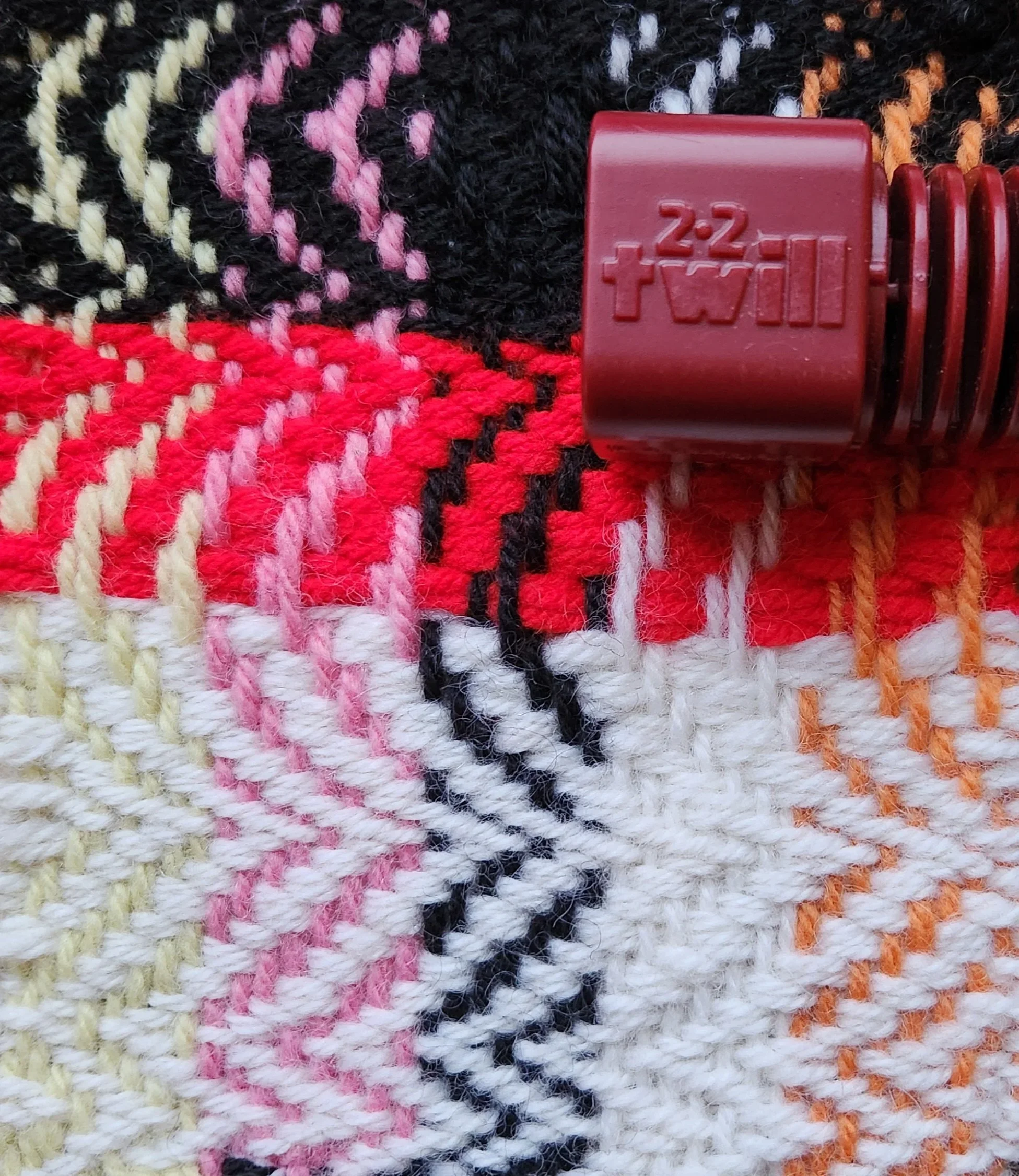
Weaving Tapestries with unique motifs on the revolutionary BOOM LOOM BOSS! (SEE PIC BELOW). The Boomloom Boss is a patented system and powerful creative tool that allows beginners to weave complex patterns easily. Each skill builds on the one before it, and going through the 4 pattern bars in this order can be useful: Plain weave, Twill, Diamond, Monk’s Belt and Krokbragd. However Chris Babcock Art Prep instructors are big fans of learning by doing, so if you just want to dive in to any of the pattern bars that most interest you, Mookie is happy to guide you to a successful learning experience! Here is a link to a video to show the basics of how the boom loom works.
Curriculum Improvements: Technical Skills, Original Artistic Voice, and Resilient Imagination
A Curriculum for Artists at Every Skill Level
At Chris Babcock Art Prep, we welcome beginners, intermediate students, and advanced artists. Students do not need to arrive with polished skills or an established portfolio. They simply need to be curious, willing to learn, and ready to participate.
Our curriculum has a twofold mission:
To teach students the technical skills and visual vocabulary they need to create meaningful, visually compelling artwork.
To cultivate courageous curiosity and resilient imagination—the confidence to explore, make mistakes, reflect, revise, and continue creating.
Artist Statements: Discovering Deeper Meaning
Students will learn to write age-appropriate artist statements about selected artworks and projects.
An artist statement is not simply a description of a finished artwork. It is also a reflective tool that can bring an artist closer to the deeper meaning of what they have created.
By writing about their images, materials, colors, memories, emotions, and artistic decisions, students may begin to recognize connections and ideas they did not fully understand while making the work. Sometimes an artwork’s meaning is clear from the beginning. At other times, meaning emerges gradually through experimentation, reflection, and the creative process.
Responding to Feedback with Confidence
Writing and discussing artist statements will also help students develop the language to speak about their creative choices with greater clarity and confidence.
When students receive criticism or constructive feedback, our goal is not to teach them to defend every decision or reject another person’s perspective. Instead, we teach them to:
Listen thoughtfully without immediately giving up on their ideas.
Ask questions when feedback is unclear.
Decide which observations may help the artwork grow.
Explain their intentions without becoming defensive.
Recognize that different viewers may interpret the same artwork differently.
Revise when revision strengthens the work.
Continue creating without allowing one person’s opinion to determine their worth or silence their imagination.